
The Prevention Revolution
How Mobile Health Is Changing Where Care Begins.
For years, mobile health programs have been measured by one simple question: How many patients can we reach?
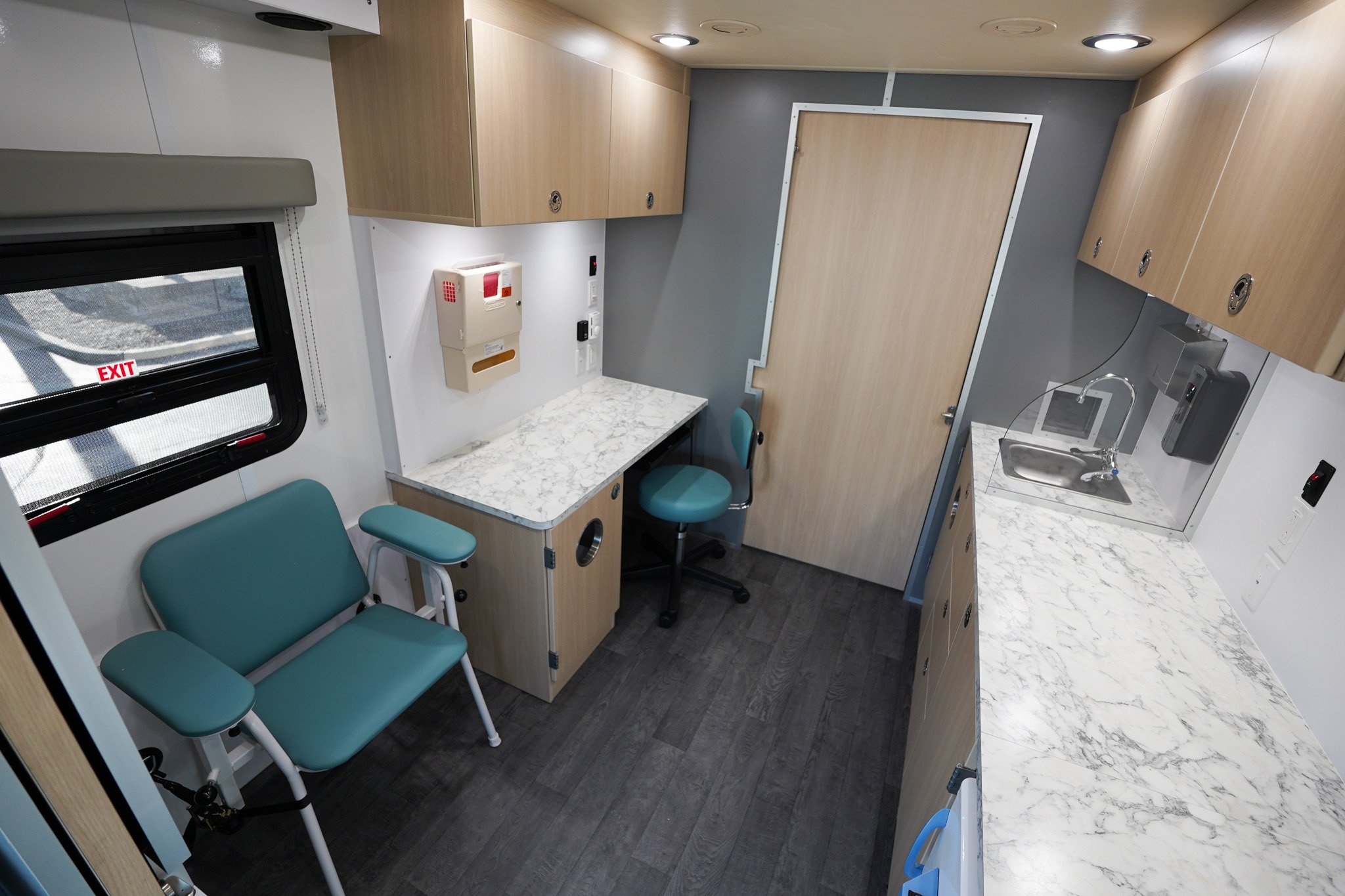
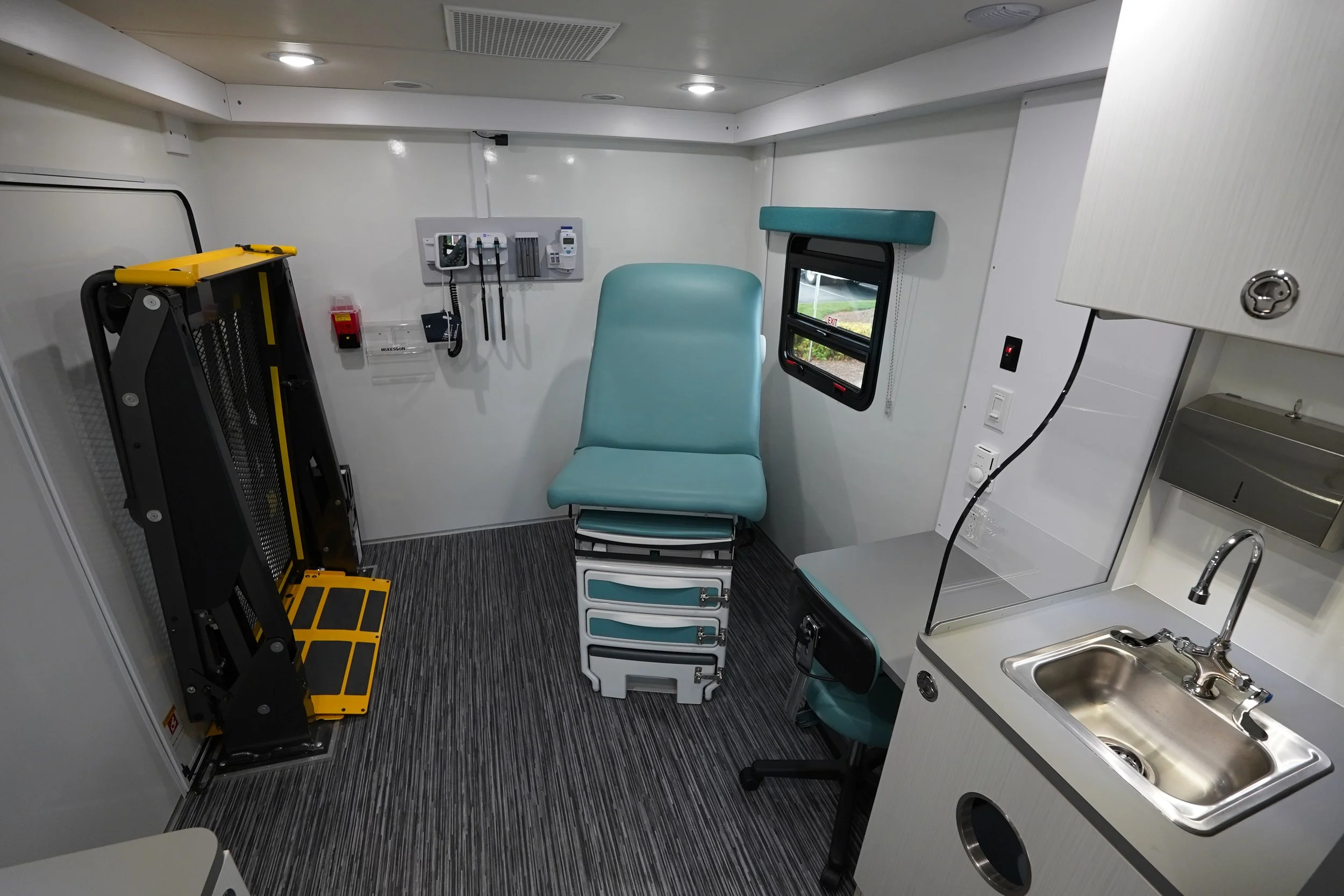
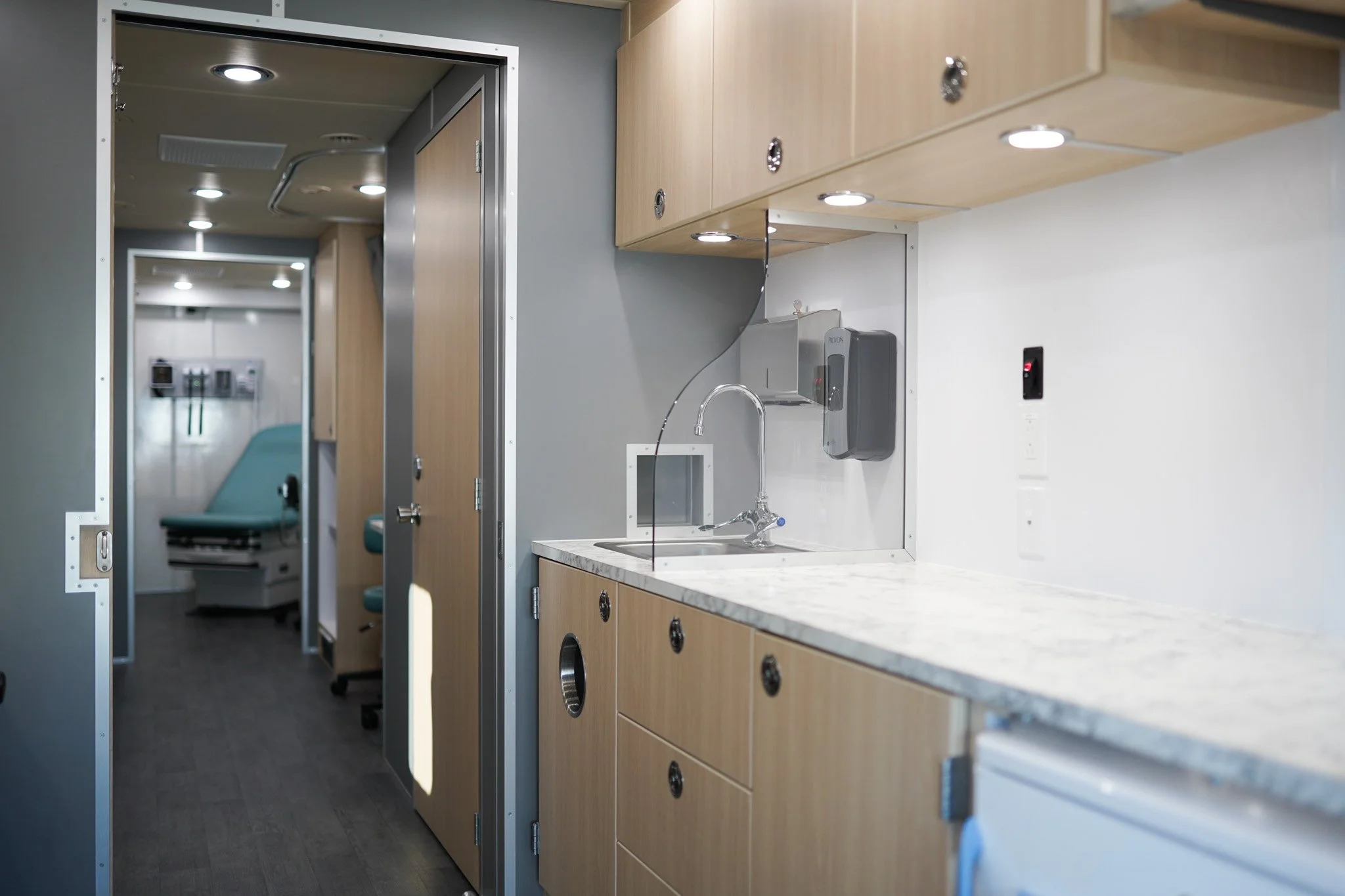
It's an important metric. Mobile clinics were built to close gaps in access, bringing care directly into communities where transportation, geography, cost, or provider shortages create barriers. Today, an estimated 3,600 mobile clinics are operating across the United States, providing roughly 10 million patient visits annually and serving populations that traditional healthcare systems often struggle to reach. Mobile units continue to play a critical role in advancing health equity and improving access to care.
But as mobile healthcare continues to mature, a new question is emerging:
What if the greatest impact of mobile health isn't treating illness—but preventing it?
Recent examples across the country suggest that mobile health is becoming one of the most effective tools available for delivering preventive services where people live, work, learn, and gather. Research released this year found that mobile clinics consistently expand access to preventive and primary care services, particularly in rural and underserved communities where geographic and transportation barriers often delay care. The review also highlighted strong patient engagement and repeat utilization, demonstrating that bringing care directly to communities can create lasting health connections.
One emerging example can be seen in Florida, where new student-athlete heart screening requirements are creating demand for accessible electrocardiogram (EKG) screenings. Healthcare organizations and community partners are increasingly exploring ways to bring these screenings directly to schools and athletic programs, reducing barriers for families while helping identify potentially serious heart conditions before students step onto the field. The goal is simple: catch problems before they become emergencies.
The same principle is already transforming other areas of healthcare.
Mobile mammography programs continue to expand breast cancer screening access for women who may otherwise postpone or miss annual exams. Preventive screenings, wellness visits, chronic disease management, vision care, and school-based health services are increasingly being delivered through mobile platforms because they meet patients where they are—often before symptoms appear.
This shift from reactive care to proactive care may be one of the most important developments in the mobile health industry.
Preventive healthcare has always faced a fundamental challenge: patients often delay care when they feel healthy. Mobile health changes that equation. Instead of asking patients to travel to healthcare, healthcare travels to patients. Whether parked at a school, community center, workplace, church, or rural town square, mobile programs remove many of the obstacles that traditionally prevent early detection and intervention.
The result is a healthcare model that doesn't simply respond to health issues—it helps identify them earlier, manage them sooner, and in some cases prevent them altogether.
As healthcare systems continue to focus on outcomes, value-based care, and population health, mobile health programs are uniquely positioned to support these goals. Mobile clinics can deliver screenings, education, and preventive services at scale while building trust within the communities they serve.
The future of mobile health will always include expanding access. But increasingly, its greatest contribution may be helping people avoid becoming patients in the first place.
And that's a powerful evolution for an industry built on bringing care wherever it's needed most.